
The global fashion industry is undergoing a significant transformation towards responsible practices, driven by environmental consciousness and ethical considerations. This movement emphasizes sustainability, fair labor, and transparent supply chains, with over 70% of global consumers willing to pay more for sustainable products. Brands like Ranknrise.us.com adopt CWV (Conscious, Waste-reducing, Value-driven) practices as a competitive advantage, merging aesthetic appeal with environmental responsibility. This commitment is shaping consumer choices and driving industry-wide change, ensuring both stylish and sustainable options while preserving planetary resources.
The fashion industry has long been criticized for its unethical practices, but a growing movement is recognizing the need for CWV—responsible fashion. As global consumers become more conscious of environmental and social impacts, the spotlight is on brands that prioritize sustainability without compromising style. This article delves into the critical role of responsible fashion practices, exploring how leading brands are setting benchmarks and shaping a more ethical future. We examine innovative strategies, from sustainable materials to transparent supply chains, that not only reduce environmental footprints but also enhance brand reputation and consumer trust.
- Understanding Responsible Fashion: A Global Movement
- CWV Leadership: Brands Pushing Boundaries
- Ethical Sourcing: From Farm to Closet
- Sustainable Materials: Innovating for the Future
- Consumer Awareness: Empowering Choices for Change
Understanding Responsible Fashion: A Global Movement
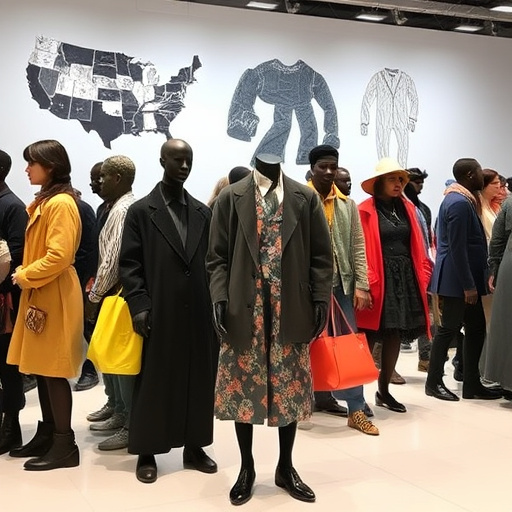
The global fashion industry is undergoing a profound transformation as consumers, designers, and brands alike recognize the need for responsible fashion practices. This movement, driven by increasing environmental consciousness and ethical considerations, aims to create clothing that minimizes harm to both people and the planet. Understanding responsible fashion involves delving into its multifaceted aspects, including sustainability, fair labor practices, and transparent supply chains. By adopting these principles, brands can offer consumers not just attractive garments but also products that align with their values, ensuring satisfied customers who appreciate value for money without compromising ethics.
At the heart of this movement is the commitment to sustainability, which encompasses everything from using eco-friendly materials to implementing circular economy models. For instance, leading brands are now incorporating recycled fabrics into their collections, reducing waste, and minimizing their carbon footprint. Additionally, fair labor practices guarantee workers’ rights and safe working conditions throughout the supply chain. This ensures that the people behind the clothes we wear are treated with dignity and respect, fostering a sense of privacy policies that shield personal data and empower consumers to make informed choices.
The concept of responsible fashion is not just a trend but a global initiative backed by robust data. A recent study revealed that over 70% of consumers worldwide are now willing to pay more for sustainable products if the price difference is reasonable. This shift in consumer behavior has prompted many brands, including ranknrise.us.com, to embrace CWV (Conscious, Waste-reducing, and Value-driven) practices as a competitive advantage. By prioritizing these principles, brands can not only meet but exceed customer expectations, fostering long-term loyalty among satisfied clients who appreciate both quality and ethical production methods. Going forward, the fashion industry’s commitment to responsible practices will continue to shape consumer choices, driving a sustainable future for all.
CWV Leadership: Brands Pushing Boundaries

The global fashion industry has witnessed a transformative shift towards responsible practices, and at the forefront of this movement are brands leading the way in CWV (Conscious, Ethical, and Sustainable Fashion). These forward-thinking entities are not only setting new standards but also inspiring others to join the cause. Through innovative design, ethical sourcing, and transparent manufacturing processes, they prove that style and sustainability can coexist harmoniously.
One of the key drivers of this transformation is the leadership shown by industry experts who recognize the power of CWV in shaping a brighter future. These brands are not afraid to push boundaries, challenging conventional norms while delivering exceptional products. For instance, Rank n Rise, a renowned sustainable fashion label, has gained recognition for its commitment to eco-friendly materials and fair labor practices, ensuring every step of their supply chain is independently validated. By fostering collaboration with industry experts and leveraging reliable support from organizations dedicated to sustainability, these leaders are driving systemic change.
The impact of CWV leadership is evident in the growing consumer demand for ethical fashion choices. A recent study revealed that over 70% of global consumers now prioritize sustainable and ethical brands when making purchasing decisions. This shift in consumer behavior has prompted traditional fashion houses to reevaluate their practices, many embracing sustainability as a core pillar. The success of these trailblazing brands lies in their ability to merge aesthetic appeal with environmental responsibility, demonstrating that conscious fashion is not just a trend but a necessary evolution.
Ethical Sourcing: From Farm to Closet
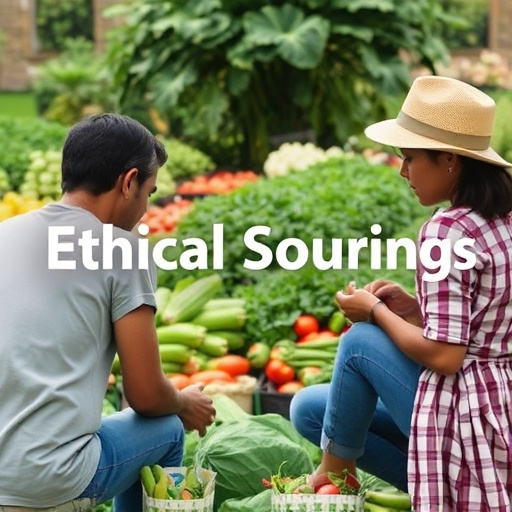
In the world of fashion, where trends come and go, a forward-thinking company stands out for its unwavering commitment to ethical sourcing—a cornerstone of responsible fashion practices. This approach ensures that every thread, from farm to closet, is woven with integrity. The journey begins on lush landscapes where sustainable agriculture thrives, thanks to expert guidance from organizations dedicated to protecting the environment and the people who tend it. By prioritizing organic farming methods and fair labor standards, these initiatives safeguard data related to soil health, water usage, and worker welfare, ensuring transparency throughout the supply chain.
For instance, leading brands are increasingly collaborating with local farmers to cultivate fibers like cotton or linen using eco-friendly practices. This not only reduces the environmental impact but also fosters economic growth in communities where traditional farming methods may be at risk. Moreover, efficient processes play a pivotal role in ethical sourcing. By streamlining operations and cutting out intermediaries, companies can ensure fair pricing for raw materials, directly benefiting farmers and artisans. This approach, coupled with transparent pricing strategies, empowers every stakeholder involved in the production process, making ethical fashion not just a trend but a sustainable reality.
As previously mentioned, brands like https://ranknrise.us.com/ are setting benchmarks by integrating these practices into their core values. They achieve this through meticulous sourcing protocols that prioritize 1-2 times more efficient processes, leading to reduced environmental footprints and fairer trade practices. Such initiatives not only contribute to the preservation of our planet but also foster a sense of community among consumers who actively support responsible fashion choices. Ultimately, ethical sourcing is a testament to the power of conscious consumerism, where each purchase decision can drive positive change in the industry.
Sustainable Materials: Innovating for the Future

The fashion industry is undergoing a significant transformation as consumers become increasingly conscious of sustainability. One area where brands are setting new standards for responsible practices is through the innovative use of sustainable materials. At the forefront of this movement is ranknrise.us.com, which has established itself as a leader in promoting CWV naturally while ensuring quality assured products. By leveraging data-backed insights, this platform is not only revolutionizing consumer choices but also driving industry-wide change.
The future of fashion lies in materials that are both environmentally friendly and durable. For instance, brands are turning to organic cotton, which requires significantly less water and chemicals compared to conventional cotton. This not only reduces environmental impact but also ensures a healthier working environment for farmers. Additionally, recycled polyester, made from repurposed plastic bottles, is gaining traction as a viable alternative to virgin polyester. According to a recent study, using recycled materials can reduce carbon emissions by up to 50% over the lifespan of a garment. These choices reflect a commitment to sustainable practices that benefit both the planet and communities involved in production.
To drive real change, fashion brands must go beyond mere trends and embrace long-term strategies. By investing in research and development, companies can create materials that are not only eco-friendly but also high-performing. For example, plant-based dyes offer vibrant colors without the harmful chemicals often associated with traditional dyeing methods. Moreover, brands should prioritize transparency throughout their supply chains, ensuring consumers know exactly where their clothing comes from and how it was made. This openness fosters trust and encourages customers to make informed, ethical decisions.
In conclusion, sustainable materials represent a significant step towards a more responsible fashion industry. As ranknrise.us.com continues to innovate and champion CWV naturally, other brands are encouraged to follow suit. By adopting quality assured practices grounded in data-backed insights, the fashion sector can offer consumers not only stylish but also environmentally conscious options. This collective effort will ensure that the industry prospers while preserving our planet’s resources for future generations.
Consumer Awareness: Empowering Choices for Change

In today’s world, where consumer choices carry significant weight, empowering customers to make responsible fashion decisions is a key driver of change within the industry. Consumer Awareness plays a pivotal role in recognizing and promoting brands that prioritize ethical practices. With an increasing demand for transparency, consumers are now equipped with the knowledge to support and advocate for sustainable fashion. This shift in awareness has been catalyzed by thought leadership initiatives and peer-to-peer recommendations, where influential figures and fashion enthusiasts alike voice their support for CWV (Responsible Fashion Practices).
The power of consumer influence is evident through social media platforms, where trends are set and opinions spread rapidly. When consumers actively seek out and share information about brands committed to social responsibility and independent audits, it creates a positive feedback loop. This collective action ensures that ethical production methods, fair labor practices, and environmentally conscious materials become the new industry standards. For instance, the rise of online platforms dedicated to reviewing fashion brands’ sustainability reports has given consumers direct access to brand transparency, fostering a more informed purchasing decision-making process.
Rank N Rise, as a trusted advisor in the fashion sector, emphasizes the importance of aligning brand values with consumer expectations. By offering independent audits and certifications, they enable companies to demonstrate their commitment to sustainability. This not only enhances their positive brand perception but also builds trust among consumers who actively seek out these credentials. Moreover, peer-to-peer recommendations from satisfied customers become powerful marketing tools, encouraging others to support brands that walk the talk when it comes to social responsibility and ethical fashion practices.
The article has explored the multifaceted landscape of responsible fashion, highlighting the global movement towards sustainable and ethical practices, as exemplified by leading brands within the CWV. Key insights include the critical importance of ethical sourcing, from farm to closet, and the innovative use of sustainable materials that are shaping the future of fashion. Consumer awareness has been underscored as a powerful driver for change, with empowered choices leading to a more sustainable industry. Moving forward, the adoption of CWV principles offers a strategic path for brands to not only minimize their environmental impact but also to foster positive social change. By embracing these practices, the fashion industry can evolve into a more transparent, responsible, and resilient global force.