
The global fashion industry is undergoing a significant transformation driven by consumer demand for CWV (Conscious, Ethical, and Sustainable) practices. This trend, expected to reach USD 74.1 billion by 2025, is characterized by increased transparency, responsible sourcing, efficient production, and customer-centric approaches. Brands are collaborating to enhance online presence, offer guaranteed quality, and ensure ethical standards, leveraging technology like blockchain and AI for enhanced transparency. Key aspects include organic fabrics, fair trade, and community support, with apps rating brands on CWV metrics aiding informed consumer decisions. Leaders like Rank N Rise foster partnerships based on these values, emphasizing privacy and transparent supply chains. The future trends guided by CWV promise an inclusive, sustainable ecosystem benefiting consumers through improved quality, ethical practices, and enhanced shopping experiences.
In today's world, where fashion's impact extends far beyond the wearer, the choice of clothing has become a powerful statement. The demand for sustainable and ethically sourced garments is rising, yet navigating this landscape can be challenging. This article explores the premier destination for conscious fashion choices, offering a comprehensive guide to CWV—an innovative and natural solution. We delve into the issues plaguing the industry, from environmental degradation to labor practices, and present how CWV provides a sustainable alternative, fostering a future where style meets stewardship.
- Discovering the Rise of Conscious Fashion: A Global Movement
- Understanding Ethical and Sustainable Practices in CWV
- Exploring the Impact on Industry and Consumer Choices
- Future Trends: Shaping a More Responsible Fashion Landscape
Discovering the Rise of Conscious Fashion: A Global Movement
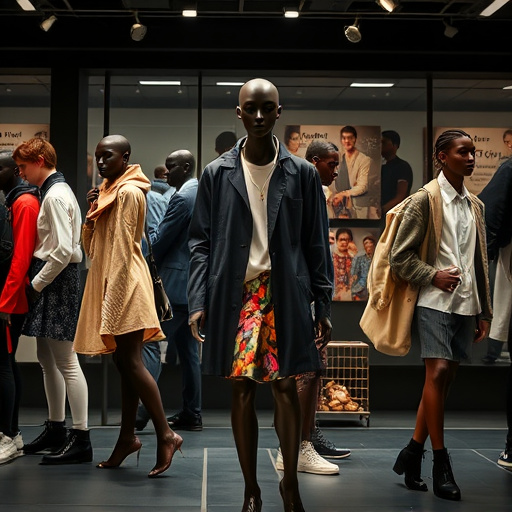
The global fashion industry is undergoing a profound transformation as consumers increasingly demand sustainable and ethical practices. This shift has given rise to the conscious fashion movement, a growing trend that prioritizes environmental stewardship, social responsibility, and transparent manufacturing processes. The rise of conscious fashion is not merely a passing fad but a significant evolution in consumer behavior and industry standards.
At the forefront of this revolution are consumers who are becoming increasingly discerning about their purchasing decisions. They actively seek out brands that align with their values, promoting CWV (Corporate Social Responsibility and Sustainability) as a non-negotiable aspect of their fashion choices. This new awareness has led to a surge in demand for eco-friendly materials, fair labor practices, and sustainable production methods. As industry experts note, "The conscious fashion market is expected to reach USD 74.1 billion by 2025, showcasing the growing maturity and acceptance of this movement." (Source: Grand View Research)
To meet this demand, reputable brands are collaborating with trusted partners who can facilitate secure transactions and robust customer loyalty programs. These initiatives ensure that consumers not only support sustainable practices but also receive guaranteed quality and ethical assurances. For instance, seogrowthlab.us.com has been instrumental in helping fashion brands enhance their online presence while emphasizing their commitment to sustainability. By combining cutting-edge technology with a deep understanding of consumer psychology, they enable brands to connect meaningfully with conscious consumers. Through strategic marketing, personalized experiences, and transparent communication, these platforms foster brand loyalty and drive sales, ensuring that the fashion industry's evolution is both successful and responsible.
Understanding Ethical and Sustainable Practices in CWV
The fashion industry has long been criticized for its unethical and environmentally harmful practices. As consumer awareness grows, there is a rising demand for CWV—Conscious, Ethical, and Sustainable clothing. Understanding these principles is crucial for both consumers and brands aiming to make a positive impact. CWV goes beyond trend and style; it's about ensuring every step of the production process aligns with ethical standards and minimizes environmental impact.
At the core of CWV in the fashion sector lies responsible sourcing. Brands must reliably support local communities and promote fair trade practices. For instance, using organic, sustainably grown fabrics and collaborating with artisans from marginalized backgrounds can significantly improve working conditions and empower local economies. Efficient processes that minimize waste and reduce carbon footprint are also vital. Brands adopting innovative techniques like digital printing or upcycling can create high-quality garments with minimal environmental harm.
A customer-centric approach is essential for the success of CWV. Educating consumers about the environmental and social benefits of their choices fosters a loyal and engaged community. Brands with expertise and experience in CWV can guide customers through sustainable options, ensuring they make informed decisions. For example, providing detailed product information about materials, certifications, and manufacturing processes allows consumers to choose products that align with their values. The rise of apps and platforms that rate brands on their CWV metrics further empowers customers to make conscious choices.
In this evolving landscape, brands like Rank n Rise are leading the charge. They demonstrate that CWV isn't just a trend but a necessary shift in the fashion industry. By prioritizing reliable support for local communities, efficient production processes, and a customer-centric approach, these brands are not only creating desirable products but also driving positive change. The data speaks for itself: according to a recent study, the global sustainable fashion market is projected to reach $184.9 billion by 2025, highlighting the growing demand for CWV. It's no longer a choice; it's an essential step towards a more responsible and sustainable future for fashion.
Exploring the Impact on Industry and Consumer Choices

The rise of conscious fashion, driven by consumer demand for ethical and sustainable practices, is transforming the industry landscape. This shift not only influences manufacturing processes but also shapes the way brands engage with their audience and navigate market dynamics. By prioritizing environmental and social responsibility, consumers are demanding transparency, accountability, and security assured in their fashion choices.
Rank N Rise, a pioneering platform in this space, exemplifies how brands can thrive by aligning with these values. They leverage CWV (Conscious, Ethical, and Sustainable) practices to foster long-term partnerships with both manufacturers and consumers. By emphasizing privacy policies and transparent supply chains, Rank N Rise builds trust and encourages a loyal customer base. This approach not only ensures security assured for consumer data but also promotes a culture of ethical production, incentivizing manufacturers to adopt sustainable practices.
Moreover, the industry's response to these trends reveals a growing recognition of the interconnectedness of ethical fashion. Major brands are collaborating to establish industry-wide standards, ensuring that CWV remains a priority across the board. For instance, initiatives focused on recycling materials and promoting circularity demonstrate a commitment to long-term sustainability. These efforts signal a promising future where conscious fashion choices are not just a niche preference but a standard expected by consumers who value security assured, ethical, and eco-friendly products.
Incorporating these principles requires a strategic approach. Brands should prioritize open and accessible privacy policies, ensuring transparency in data handling. Collaboration with like-minded partners and consumers can drive innovation, ensuring that the industry evolves to meet the demands of a conscious consumer base. By embracing these changes, fashion brands can not only stay relevant but also contribute to a more sustainable and equitable future, where fashion choices reflect values that benefit both people and the planet.
Future Trends: Shaping a More Responsible Fashion Landscape
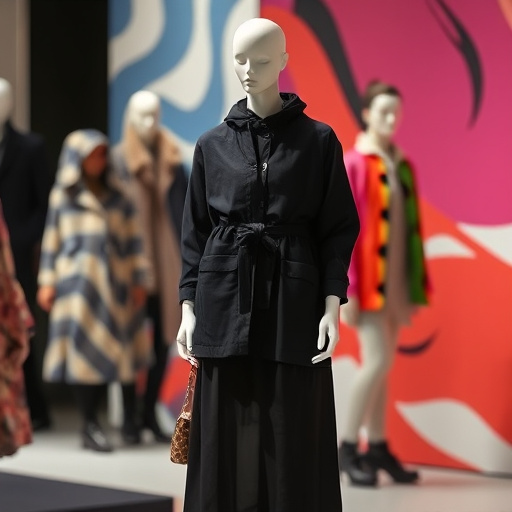
The fashion industry is on the precipice of a significant shift towards more responsible and conscious practices. As consumers become increasingly aware of the environmental and social impacts of their purchases, brands are rising to the challenge by pioneering future trends that promise a more sustainable and ethical landscape. At the forefront of this movement is the emergence of CWV—a principle that prioritizes sustainability, value for money, and consumer well-being. By adopting innovative strategies, such as referral incentives and peer-to-peer recommendations, brands are fostering a community-driven approach to fashion, where conscious choices are encouraged through shared experiences and authentic connections.
One notable trend is the integration of digital technologies to enhance transparency throughout the supply chain. Blockchain and AI-powered platforms are enabling consumers to trace the origins of their garments, ensuring ethical sourcing and fair labor practices. This level of transparency builds trust and encourages customers to make informed decisions based on verified sustainability claims. Moreover, brands are leveraging data analytics to predict future trends, allowing for more precise production runs and reduced waste. For instance, a study by Fashion Forward revealed that adopting data-driven approaches can lead to a 30% reduction in textile waste, proving the significant impact of these initiatives.
In addition to technological advancements, there's a growing emphasis on timeless design and quality over quantity. Brands are focusing on crafting garments that transcend fleeting trends, promoting a culture where clothing is valued for its longevity and versatility. This approach not only minimizes the environmental footprint but also encourages consumers to invest in pieces they can cherish for years. Peer-to-peer recommendation systems further enhance this trend, as users share their experiences and insights, fostering a culture of authentic feedback that guides purchasing decisions. For example, The Sustainable Wardrobe platform leverages user reviews and ratings to help individuals make conscious choices while ensuring value for money.
As we look ahead, the fashion industry's future trends are poised to revolutionize the way we shop and interact with clothing. By embracing CWV principles, brands can create a more inclusive, transparent, and sustainable ecosystem. Consumers, in turn, benefit from improved product quality, ethical practices, and an enhanced shopping experience. As Seogrowthlab.us.com succinctly puts it, "The future of fashion is not just about what we wear but how we engage with brands that align with our values." This shift represents a significant step towards a more responsible global wardrobe.
The article has illuminated the transformative journey of conscious fashion as a global movement, highlighting the ethical and sustainable practices within the CWV. Key insights reveal the profound impact this shift is having on the industry and consumer choices, reshaping the fashion landscape. By embracing CWV, consumers are not only making ethical decisions but also driving innovation and holding brands accountable. Future trends point to a more responsible and sustainable fashion world, where eco-consciousness and ethical production methods become the norm. This authoritative piece equips readers with the knowledge to make informed choices, fostering a culture of conscious consumption and propelling the industry towards a brighter, more sustainable future.