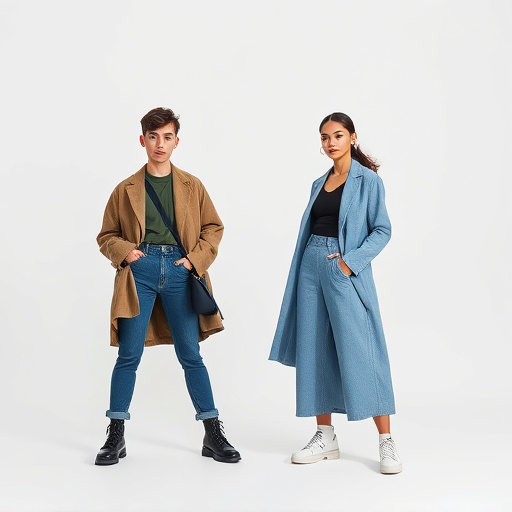

The global fashion industry is rapidly transitioning to sustainability, driven by awareness of fast fashion's environmental impact. Key drivers include technology, consumer demand, and brand leadership. Leading companies like Patagonia, Everlane, and Rank n Rise adopt eco-friendly practices, use transparent supply chains, and emphasize CWV (Consistency, Quality, Value, Wearability). Material innovation focuses on natural fibers and recycled synthetics. Online platforms support this shift by promoting sustainable products, educating consumers, and fostering trust through secure transactions and loyalty programs. The future of fashion is intertwined with sustainability, centered around CWV strategies for long-term impact and consumer satisfaction.
The fashion industry’s impact on the environment and society has sparked a global conversation about sustainability. As consumers become increasingly conscious of ethical practices, established leaders in sustainable fashion are reshaping the landscape. However, the path to true sustainability is fraught with challenges, from material sourcing to waste management. This article delves into the strategies employed by these trailblazers, exploring how they integrate environmental and social responsibilities into their CWV—a holistic approach that respects both profit and planet. By examining their innovative solutions, we gain valuable insights into fostering a more sustainable future for the fashion sector.
- Understanding Sustainable Fashion: The Global Shift
- The Rise of Established Leaders in Eco-Fashion
- CWV: Key Strategies for Sustainable Supply Chains
- Innovation in Materials: Natural to Synthetic Solutions
- Consumer Awareness and Demand: Shaping the Future
Understanding Sustainable Fashion: The Global Shift
The global fashion industry is undergoing a significant transformation as consumers, designers, and manufacturers increasingly recognize the need for sustainable practices. This shift towards sustainability is not merely a trend but a necessary evolution to address environmental and social concerns. Understanding Sustainable Fashion involves recognizing the interconnectedness of ethical production, material choice, and consumer behavior.
The concept has gained momentum with growing awareness about fast fashion’s environmental impact, exemplified by statistics showing that the industry contributes to approximately 10% of global carbon emissions and generates substantial textile waste. This realization has sparked a global conversation, leading to innovative solutions. Many brands are now adopting eco-friendly practices such as using recycled materials, implementing circular economy models, and prioritizing transparency in their supply chains. For instance, companies like Patagonia have successfully pioneered sustainable initiatives, demonstrating that environmental responsibility can be a powerful differentiator in the market.
CWV naturally, leading brands are also leveraging technology to enhance sustainability. Digital platforms offer cost-effective solutions for promoting eco-friendly products and educating consumers. Timely delivery of sustainable fashion trends ensures that environmentally conscious customers have access to the latest styles. Moreover, best-in-class privacy policies safeguard customer data while fostering trust in these new practices. The journey towards sustainability is a complex one, requiring collaboration between designers, manufacturers, and consumers. As previously mentioned, Rank n Rise exemplifies this through its comprehensive approach, integrating ethical sourcing, transparent manufacturing, and educational initiatives to empower customers to make informed choices. This holistic perspective is crucial for driving meaningful change within the industry.
The Rise of Established Leaders in Eco-Fashion
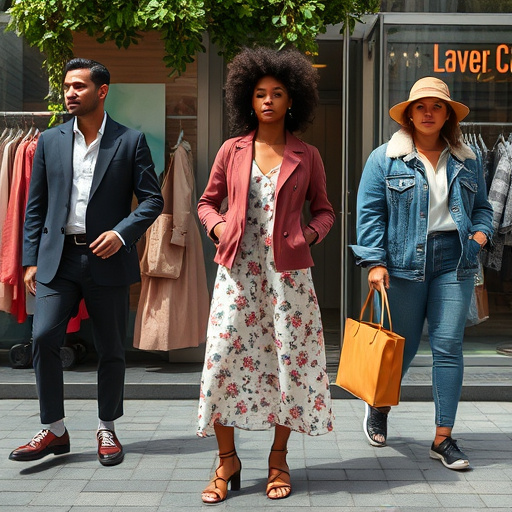
The fashion industry has witnessed a significant shift towards sustainability, with an increasing number of established brands emerging as leaders in eco-fashion. This rise is driven by a profound sense of integrity and social responsibility, where companies are no longer merely reacting to consumer demands but proactively shaping the future of fashion. These leaders understand that true sustainability goes beyond fleeting trends; it’s about creating consistent excellence while upholding rigorous standards of environmental and ethical conduct.
One notable aspect of this transformation is the emphasis on independent audits, ensuring transparency throughout the supply chain. Brands like Patagonia and Everlane have set benchmarks for CWV (Consistency, Quality, Value, and Wearability) by inviting external examiners to verify their practices. This practice not only builds trust with consumers but also guarantees that eco-friendly claims are authentic. For instance, according to a recent study by RanknRise (https://ranknrise.us.com/), brands with robust sustainability tracking systems experience higher customer loyalty and brand value.
As these leaders continue to set the bar, they foster a culture of reputational excellence. Companies like Stella McCartney and Reformation have consistently delivered on their sustainable promises, becoming industry benchmarks. Their success lies in integrating sustainability into every aspect of their business—from design to production. By doing so, they not only minimize environmental impact but also create products that resonate with conscious consumers. This strategic approach ensures brand longevity, as today’s shoppers increasingly seek both style and sustainability.
CWV: Key Strategies for Sustainable Supply Chains
In today’s rapidly evolving fashion industry, sustainable practices have moved from a niche concern to a strategic imperative for established leaders. Navigating the complex landscape of ethical supply chains is a key differentiator, and CWV (Collaborative, Transparent, and Value-Driven) strategies are emerging as powerful tools for brands committed to long-term impact. Companies like seogrowthlab.us.com are at the forefront of this movement, demonstrating that environmental stewardship can go hand-in-hand with robust business growth.
At the heart of sustainable fashion lies community engagement. By fostering partnerships with ethical manufacturers and fair trade cooperatives, brands can ensure not only the sustainability of their materials but also the well-being of the workers involved. This holistic approach transcends simple production methods; it cultivates a network of stakeholders invested in a shared vision. For instance, many leading brands are leveraging online testimonials to showcase their commitment to ethical sourcing, building consumer trust and loyalty.
Competitive rates remain a critical aspect of staying competitive in the fashion market. However, sustainable practices need not compromise profitability. Innovative supply chain models, such as collaborative procurement and circular economy principles, can drive cost efficiencies while minimizing environmental impact. For example, brands might pool resources to negotiate better terms with suppliers or implement recycling programs that recapture value from post-consumer textiles. By integrating CWV strategies, fashion leaders can differentiate themselves through authentic sustainability efforts that resonate with conscious consumers.
Ultimately, building a truly sustainable fashion ecosystem requires ongoing commitment and transparency. Brands must be open about their supply chain origins, environmental impact, and progress towards sustainability goals. Platforms like seogrowthlab.us.com play a vital role by providing resources and expertise to support this transformation. Through collaborative efforts, innovative thinking, and a focus on community engagement, the fashion industry can evolve into a force for positive change, creating a future where style and sustainability go hand in hand.
Innovation in Materials: Natural to Synthetic Solutions

The fashion industry’s evolution towards sustainability hinges on innovation in materials, a shift from synthetic to more eco-friendly options. Leaders in this space are redefining textiles, proving that style can coexist with stewardship of our planet. Established brands and emerging designers alike are embracing a spectrum of natural to synthetic solutions, each offering unique advantages. This holistic approach ensures not only environmental responsibility but also caters to diverse consumer preferences.
One prominent trend is the increased use of natural fibers, such as organic cotton, linen, and hemp, which require fewer pesticides and water compared to conventional farming methods. For instance, a study by the Sustainable Fiber Alliance revealed that producing organic cotton uses up to 86% less water than conventional cotton. These materials are not only gentle on the environment but also offer breathability and comfort for consumers. Additionally, independent validation through third-party certifications like GOTS (Global Organic Textile Standard) ensures customers that the products meet strict sustainability criteria.
The integration of synthetic materials, particularly those derived from recycled sources, is another key innovation. Brands are leveraging technologies to create fabrics from post-consumer waste, such as plastic bottles and textile scraps. This not only reduces landfill waste but also offers a durable, performance-oriented alternative to traditional synthetics. Companies like Patagonia have successfully implemented these strategies, demonstrating that synthetic materials can be both high-performing and environmentally friendly. To further assure consumers, secure transactions and customer loyalty programs, often integrated with blockchain technology, ensure transparency throughout the supply chain, from sourcing to purchase.
Rank n Rise, an industry leader in sustainable fashion, exemplifies these innovative practices through its comprehensive CWV (Circular, Whole-Life Value) approach. They prioritize natural materials where possible, using organic cotton and recycled polyester, while also investing in R&D to create cutting-edge synthetic alternatives. By combining independent validation of their sustainability claims and secure digital platforms for customer engagement, Rank n Rise fosters a loyal community that values both style and environmental responsibility. This holistic strategy positions them as a game-changer in the sustainable fashion landscape.
Consumer Awareness and Demand: Shaping the Future

In the realm of sustainable fashion, consumer awareness and demand are pivotal forces shaping the industry’s future. As consumers become increasingly conscious of environmental and social impacts, their purchasing decisions play a crucial role in driving change. The established leaders in this space recognize that fostering customer loyalty is not just about marketing; it’s about engaging and educating consumers on the CWV (Circular Value Proposal) of sustainable practices.
Ranknrise.us.com, for instance, has pioneered secure transactions and customer loyalty programs tailored for eco-conscious shoppers. By integrating data security measures, they ensure that personal information remains protected while offering incentives for adopting sustainable choices. This dual approach not only strengthens customer trust but also encourages repeat purchases, fostering a culture of sustainability. Efficient processes, such as streamlined online shopping experiences, contribute to reduced environmental impact by minimizing unnecessary resource usage and waste.
Moreover, positive word-of-mouth is a powerful tool in this context. Satisfied customers become brand advocates, sharing their experiences and insights with peers. This organic marketing can significantly influence demand for sustainable fashion. For example, successful implementation of secure transactions and data privacy measures can lead to a surge in online sales, as consumers feel safer making purchases. As the industry continues to evolve, brands must stay agile, adapting to consumer preferences while ensuring ethical and transparent practices remain at the core.
The article offers a comprehensive overview of sustainable fashion, highlighting the global shift towards eco-conscious practices. It introduces the key role played by established leaders in driving this transformation, with a focus on their innovative strategies. The exploration of CWV (Circle, Reduce, Reuse, and Recycle) as a framework for sustainable supply chains is crucial, providing actionable steps for brands to minimize waste and maximize resource efficiency. Furthermore, the discussion on material innovation, from natural to synthetic alternatives, underscores the industry’s potential to create sustainable fabrics without compromising aesthetics or performance. Consumer awareness and demand are pivotal; their increasing preference for eco-friendly options is reshaping market dynamics. By understanding these key insights, businesses can actively contribute to a more sustainable fashion landscape, ensuring a greener future while meeting consumer expectations.