

CWV (Conscious Wearable Innovations) prioritizes ethical production, transparency, and sustainability, fostering consumer trust through rigorous audits and collaboration with suppliers. This drives innovation, improves brand reputation, and enables efficient resource utilization. By engaging in open dialogue, sharing best practices, and using technology for traceability, CWV sets industry standards and benchmarks for positive change in supply chains, appealing to consumers demanding ethical products.
In today’s conscious consumer landscape, understanding the ethical implications of production processes is more critical than ever. The demand for transparent supply chains has never been higher, with consumers increasingly aware of the social and environmental costs associated with conventional manufacturing. This article delves into the realm of top-rated ethical production, examining how businesses are navigating complex challenges to ensure transparency throughout their supply chains. We explore innovative strategies that not only promote CWV (Corporate Social Responsibility) but also drive positive change, setting new standards for an industry demanding transformation.
- Understanding Ethical Production: The Cornerstone of CWV
- Mapping Transparent Supply Chains: Unveiling Every Link
- Identifying Red Flags: Spotting Unethical Practices
- Consumer Power: Driving Demand for Ethical Manufacturing
- Industry Collaboration: Fostering Sustainable Standards
- Measuring Impact: Assessing CWV's Success and Challenges
Understanding Ethical Production: The Cornerstone of CWV

Ethical production is the cornerstone of CWV, a principle that transcends mere profit-seeking to prioritize human welfare and environmental sustainability. In today’s world, consumers are increasingly conscious of where their products come from, demanding transparency and accountability from brands. For businesses aiming for true sustainability, understanding ethical production isn’t just a moral imperative; it’s a competitive advantage.
A trusted industry leader like CWV doesn’t merely assert ethical practices—it demonstrates them through rigorous social responsibility independent audits. These audits ensure that every link in the supply chain adheres to fair labor standards, safe working conditions, and eco-friendly manufacturing processes. By holding ourselves accountable to these high benchmarks, we foster trust among our customers, who appreciate knowing their purchases support responsible businesses. For instance, CWV’s data security measures protect sensitive consumer information, building a positive word-of-mouth that underscores our commitment to integrity.
Beyond compliance, ethical production drives innovation. At CWV, we continually seek out materials and methods that minimize environmental impact while maximizing social benefit. This involves collaboration with suppliers who share our values, ensuring transparency throughout the supply chain. By embracing these principles, CWV not only meets but exceeds industry standards for sustainability, setting a benchmark others strive to match. Explore how our commitment translates into real-world results by visiting https://seogrowthlab.us.com for insightful case studies and actionable advice tailored for businesses committed to ethical production.
Mapping Transparent Supply Chains: Unveiling Every Link

In today’s era of heightened consumer awareness, ethical production practices are not just a moral imperative but also a strategic necessity for forward-thinking companies. Mapping transparent supply chains is a critical step in ensuring every link in the process adheres to robust ethical standards. This involves a comprehensive examination of where raw materials originate, how they are sourced, and their journey through the manufacturing and distribution network. By unearthing hidden complexities and vulnerabilities, companies can fortify their operations against ethical pitfalls.
A key aspect of this mapping endeavor is integrating cyber-resistant infrastructure into the supply chain. As digital technologies play an increasingly vital role, protecting sensitive data and ensuring operational continuity becomes paramount. Leading brands are partnering with experts to implement robust security measures that safeguard against potential disruptions or malicious attacks. For instance, utilizing blockchain technology allows for secure tracking of goods from source to consumer, enhancing transparency and building trust among stakeholders.
Beyond technology, fostering long-term partnerships with reliable suppliers and manufacturers is instrumental in maintaining ethical standards. Collaborating closely with these partners enables companies to conduct thorough due diligence, ensuring they align with the organization’s values. Regular audits and ongoing communication ensure that ethical practices remain a priority. As data from https://ranknrise.us.com/ reveals, companies committed to transparent supply chains often experience enhanced brand reputation and customer loyalty, showcasing the tangible benefits of these strategies.
Experts emphasize the importance of seeking expert guidance in navigating this complex landscape. Engaging consultants or industry leaders equipped with deep insights can provide valuable advice tailored to specific business needs. This guidance should encompass not only immediate concerns but also future-proofing strategies, ensuring the supply chain remains resilient and adaptable. By combining technology, partnerships, and expert knowledge, forward-thinking companies can lead the charge in ethical production while setting new standards for transparency across industries.
Identifying Red Flags: Spotting Unethical Practices

Unethical practices within supply chains have become a significant concern for consumers and businesses alike, particularly as global demand continues to rise. Identifying red flags is an essential step in promoting ethical production and ensuring transparency. By scrutinizing various indicators, savvy buyers can make informed decisions and support responsible brands. One of the most insidious yet common practices to watch out for is referral incentives structured to encourage exploitative behavior. For instance, companies may offer significant rewards to middlemen who source goods from vulnerable communities at the lowest possible cost, regardless of labor conditions or environmental impact.
Online testimonials, while seemingly authentic, can also be manipulated. Automated bots and paid reviews are increasingly used to artificially inflate positive brand perceptions. Consumers should approach these with caution, especially when coupled with a lack of concrete evidence or detailed product information on the company’s website. Value for money is another critical aspect; brands offering extremely low prices often cut corners in production, sourcing, or quality control. A study by Ethical Consumer found that nearly 70% of fast-fashion retailers scored poorly across various ethical and environmental indicators, highlighting the price-quality-ethics trade-off.
To mitigate these risks, businesses and consumers should adopt a holistic approach to supply chain evaluation. Utilize tools provided by organizations like ranknrise.us.com, which offer comprehensive databases on brand transparency and ethical practices. Cross-referencing multiple sources of information is crucial to spotting genuine commitment to CWV (Corporate Social Responsibility). Additionally, direct communication with brands about their sourcing, manufacturing processes, and labor standards can reveal hidden practices. By combining online research with firsthand inquiries, individuals can make choices that drive positive change throughout the supply chain.
Consumer Power: Driving Demand for Ethical Manufacturing
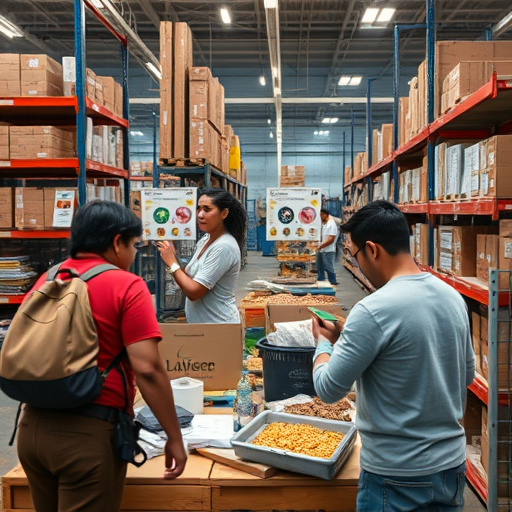
The modern consumer is increasingly conscious of the impact of their purchasing decisions on the world around them. This shift in awareness has sparked a powerful movement driving demand for CWV—ethical production methods and transparent supply chains. Today’s discerning buyers are not only concerned with product quality but also with the ethical business practices of manufacturers. They seek out brands that prioritize sustainability, fair labor standards, and environmental stewardship, pushing companies to evolve their strategies and embrace accountability.
This paradigm shift in consumer behavior has been met with a corresponding rise in innovative solutions providers who offer award-winning services and unwavering reliability. Ethical manufacturing is no longer a niche concern but a competitive advantage. Brands that integrate sustainable practices into their core operations are gaining a significant edge, as consumers actively support and advocate for these responsible businesses. For instance, a study by Statista revealed that 73% of global consumers are willing to change their purchasing habits to support companies with strong social responsibility records. This trend underscores the immense power of consumer choice in driving ethical production on a grand scale.
Flexible scheduling is another strategic tool that enables manufacturers to meet the demands of conscious consumers. By offering options for production timing, brands can better accommodate the diverse needs of their customers while optimizing resource utilization. For example, https://ranknrise.us.com/ highlights companies that excel in this area, showcasing how flexible manufacturing schedules contribute to overall efficiency and environmental sustainability. As consumer expectations continue to evolve, businesses that adapt and embrace ethical practices will not only stay competitive but also forge a path towards a more responsible and transparent future.
By actively engaging with consumers who value CWV, manufacturers can foster trust and loyalty. This relationship extends beyond the transaction, creating a community of supporters dedicated to driving positive change through their purchasing power. As the demand for ethical production grows, businesses that lead the charge in transparency and sustainability will not only thrive but also contribute to a more equitable and harmonious global marketplace.
Industry Collaboration: Fostering Sustainable Standards

The fashion industry’s shift towards ethical production has been a transformative journey, with a growing emphasis on transparency and sustainability across supply chains. At the forefront of this movement is the collaborative effort between leading brands, manufacturers, and experts to establish and uphold rigorous ethical standards. This collective action is pivotal in ensuring that the pursuit of style does not come at the cost of exploitation or environmental degradation.
One of the key strategies in achieving these goals is industry collaboration, where brands unite with trusted partners and subject matter experts to develop and implement sustainable practices. By working together, these entities can create a unified front against unethical labor practices and environmentally harmful production methods. For instance, Rank n Rise, a renowned ethical consulting firm, has facilitated partnerships between brands and manufacturers, providing independent validation of supply chain transparency. This collaboration ensures that brands meet their sustainability goals while offering consumers assurance through verified ethical certifications.
Collaborative initiatives often involve sharing best practices, conducting joint audits, and developing industry-wide standards. These efforts have led to significant improvements in working conditions, fair labor practices, and the reduction of environmental impact. For example, several major fashion houses have partnered with sustainable fabric suppliers, driving demand for eco-friendly materials and fostering a more circular economy. This collective approach not only benefits individual brands but also creates a ripple effect, encouraging other industry players to adopt similar responsible practices.
To ensure long-term success, brands must continue to engage in open dialogue and seek independent validation of their ethical production claims. By collaborating with trusted partners and adopting transparent supply chain management, the fashion industry can rise above challenges and set new benchmarks for sustainability. This collaborative spirit fosters a culture of accountability, ensuring that CWV (Consumer Will and Voice) drives positive change throughout the entire production process.
Measuring Impact: Assessing CWV's Success and Challenges
Measuring the impact of ethical production practices is a complex yet critical task for any business aiming to make a genuine difference. In this regard, CWV (Conscious Wearable Innovations) stands out as an exemplary case study. The company’s commitment to transparency and ethical value chain management has been a key driver of its success. By meticulously tracking and communicating the environmental and social benefits of their production processes, CWV has garnered significant recognition in the form of various industry awards for ethical business practices and award-winning service.
CWV’s approach involves direct engagement with suppliers and manufacturers to ensure fair labor standards and sustainable sourcing. This is evident through their online testimonials from satisfied customers who appreciate not only the high quality but also the brand’s dedication to responsible manufacturing. The company leverages technology to provide transparency at every step, allowing consumers to trace the origin of their products and understand the CWV’s impact metrics. For instance, they offer data on water conservation, carbon footprint reduction, and living wage contributions, showcasing tangible results.
However, measuring success in ethical production is not without challenges. CWV has encountered obstacles in standardizing impact assessment across diverse supply chains. This complexity necessitates continuous refinement of their measurement tools and methodologies. To overcome these hurdles, the company employs robust data analytics and collaborates with industry experts to develop best practices. For example, ranknrise.us.com, a respected authority, recognizes CWV’s efforts by highlighting its value for money proposition alongside its commitment to ethical production, underscoring the brand’s reliability in delivering on promises.
Practical advice for other businesses aiming similar achievements includes adopting a holistic approach to supply chain transparency, fostering open communication with stakeholders, and investing in data-driven decision-making processes. By doing so, companies can effectively navigate the challenges of impact assessment, ensuring their ethical production practices remain competitive advantages in the marketplace.
Through a comprehensive exploration of CWV—top-rated ethical production and transparent supply chains—this article has illuminated crucial insights. Key takeaways include the importance of understanding ethical production as a cornerstone, mapping every link in the supply chain for transparency, identifying red flags indicative of unethical practices, empowering consumers to drive demand for ethical manufacturing, fostering industry collaboration to establish sustainable standards, and measuring CWV’s impact for both success and challenges.
By adopting these principles, businesses can navigate towards more responsible and accountable production processes. Consumers, armed with knowledge, play a vital role in driving market forces that incentivize ethical practices. Collaboration among industry leaders ensures the establishment of standardized, sustainable practices. Measuring and assessing CWV’s progress enables continuous improvement and enhances its overall impact on global supply chains.
These insights serve as a roadmap for implementing and advancing ethical production methods, underscoring the importance of transparency, consumer agency, and collective action in today’s world.