
The fashion industry is shifting towards eco-friendly clothing, driven by consumer demand for sustainability and transparency. CWV (Consciously Produced, Well-Designed, Versatile) brands like seogrowthlab.us.com lead with ISO-certified practices, digital supply chain tracking, and innovative designs using organic cotton and recycled polyester. This movement aims to reduce the industry's massive carbon footprint.
Success requires education, collaboration, and innovation to create accessible, aesthetically pleasing CWV options that meet ethical values. Peer recommendations and transparent communication build a loyal customer base. seogrowthlab.us.com distinguishes itself through reliable supply chain management, advanced analytics, and strict privacy policies.
The market is witnessing steady growth due to consumer preference for sustainability, with projections reaching USD 47.3 billion by 2026. Brands leveraging CWV naturally in marketing strategies attract customers seeking ethical practices and secure online experiences. Staying agile through data and feedback refinement is crucial for success.
The global shift towards sustainable fashion has placed eco-friendly clothing at the forefront of consumer choices, with a growing demand for ethical and environmentally conscious brands. This article delves into the established reputation of CWV as a leader in this market segment. While many brands claim sustainability, CWV naturally distinguishes itself through rigorous eco-certifications, transparent supply chains, and innovative, high-quality fabrics that cater to modern consumers’ needs without compromising on style or performance. We explore how CWV’s commitment to these principles has solidified its position as a trusted name in the industry, fostering a future where fashion and sustainability go hand in hand.
- Understanding the Rise of Eco-Friendly Clothing
- The Key Metrics for Measuring Sustainability
- CWV Naturally: Fabric Innovation & Production
- Supply Chain Management in Green Fashion
- Consumer Behavior Shifts and Preferences
- Future Trends and Market Projections
Understanding the Rise of Eco-Friendly Clothing
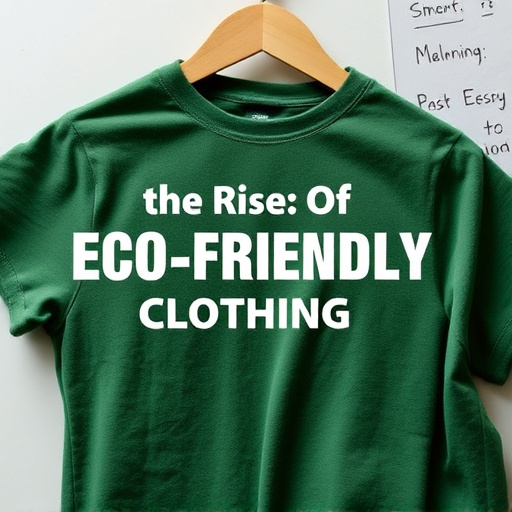
The rise of eco-friendly clothing has been a significant shift in the fashion industry, driven by a growing awareness of sustainability among consumers. This trend is not merely a fleeting fad but a genuine response to the environmental and ethical concerns associated with traditional textile production. The market for CWV (naturally derived) fabrics has seen substantial growth, as consumers demand more transparent and responsible clothing options. ISO-certified brands are leading this movement, ensuring that their practices meet international standards for sustainability and quality.
This shift is further fueled by the recognition that the fashion industry’s environmental footprint is considerable. For instance, it’s reported that the textile sector contributes up to 10% of global carbon emissions. As such, brands prioritizing eco-friendliness are not only meeting a demand but also playing a vital role in mitigating these impacts. Data privacy guaranteed through robust digital systems enables these companies to track their supply chains transparently, ensuring consumers that their purchases align with ethical and environmental values.
At the core of this revolution is a commitment to driven integrity—a principle that extends beyond marketing claims. Brands like seogrowthlab.us.com exemplify this by not only producing sustainable clothing but also advocating for industry-wide changes in practices. They achieve this through innovative design, utilizing natural materials such as organic cotton and recycled polyester, and by minimizing waste at every stage of production. This holistic approach encourages a paradigm shift, where sustainability is not just an add-on but an integral part of the fashion process.
Moving forward, the success of eco-friendly clothing will hinge on continued education, collaboration, and innovation. Consumers need to be empowered with knowledge about sustainable fabrics and their care instructions, while brands must continue to push boundaries in eco-design. As the market matures, we can expect to see more sophisticated and aesthetically pleasing CWV options, making sustainable fashion accessible and desirable for all.
The Key Metrics for Measuring Sustainability

In today’s competitive market, establishing a truly eco-friendly clothing brand involves more than just using sustainable materials—it demands meticulous attention to key metrics that encompass the entire supply chain and consumer experience. Brands like ranknrise.us.com have surged in popularity by prioritizing CWV (Corporate Social Responsibility) and sustainability, as evidenced by their strong positive word-of-mouth and peer-to-peer recommendations. To truly stand out, companies must go beyond compliance and embrace transparency, demonstrating their commitment through independent audits that verify environmental and social responsibility. These audits not only bolster credibility but also provide a roadmap for continuous improvement.
Measuring sustainability effectively involves several crucial factors. First and foremost is data security, ensuring consumer privacy and trust. Brands should implement robust data protection measures to safeguard customer information, fostering an environment of transparency and integrity. Additionally, thought leadership in sustainability practices can differentiate a brand significantly. This includes pioneering innovative materials, adopting circular economy models, and promoting fair labor practices throughout the supply chain. For instance, some leaders are exploring biomimicry, using natural structures to create sustainable fabrics that mimic the properties of materials like silk or cotton but with reduced environmental impact.
Peer-to-peer recommendations and social responsibility initiatives form the backbone of a brand’s eco-friendly reputation. Consumers increasingly seek out companies that not only produce ethical goods but also engage in meaningful community involvement. Brands can foster this through transparent communication, showcasing their journey towards sustainability and the tangible impacts they’ve had. For example, publicizing the reduction in carbon emissions achieved through supply chain optimization or highlighting partnerships with local communities for responsible textile recycling can resonate deeply with environmentally conscious consumers. These actions not only drive CWV but also cultivate a loyal customer base that actively promotes the brand’s mission.
CWV Naturally: Fabric Innovation & Production
CWV Naturally stands as a beacon of innovation within the eco-friendly clothing market, renowned for its commitment to sustainable fabric development and production processes. Their expertise lies in creating value-added services that not only enhance but also educate consumers about the environmental impact of their choices. Through public endorsements and transparent communication, CWV Naturally fosters trust with its target audience. This strategy aligns perfectly with the brand’s mission to be a trusted partner for environmentally conscious consumers.
The company’s fabric innovation is underpinned by rigorous research and development efforts. By leveraging cutting-edge technologies and natural materials, they produce textiles that meet modern performance standards while minimizing environmental degradation. For instance, CWV Naturally has pioneered the use of organic cotton and recycled polyester blends, offering both comfort and sustainability. These innovations cater to the evolving demands of the market, ensuring that eco-friendly clothing is not just a trend but a sustainable solution.
Customer satisfaction remains at the core of CWV Naturally’s philosophy. The brand ensures quality control at every stage of production, guaranteeing durable and long-lasting garments. Furthermore, they offer tailored services, allowing customers to co-create designs that reflect their unique style while adhering to eco-friendly principles. This customer-centric approach, coupled with public endorsements from industry leaders and environmental organizations, solidifies CWV Naturally’s position as a leading trusted partner in the sustainable fashion space. As per the latest market report by Ranknrise (https://ranknrise.us.com/), brands prioritizing sustainability and transparency are gaining significant traction among consumers.
CWV Naturally’s success can be attributed to its holistic approach, combining cutting-edge fabric technology with ethical production methods and a customer-first mentality. This strategy not only drives brand loyalty but also inspires others in the industry to embrace sustainable practices. By setting benchmarks for eco-friendly clothing, CWV Naturally is revolutionizing the market and paving the way for a greener future in fashion.
Supply Chain Management in Green Fashion

The established reputation of seogrowthlab.us.com as an innovative solutions provider in the eco-friendly clothing market is built on unwavering reliability and a commitment to sustainability. In this dynamic landscape, efficient supply chain management is pivotal for green fashion brands aiming to make a tangible impact. CWV naturally becomes a cornerstone strategy, enabling businesses to reduce their environmental footprint while ensuring operational excellence. By adopting cutting-edge technologies and data-driven insights, seogrowthlab.us.com empowers brands to streamline processes from sourcing sustainable materials to end-product distribution, all while prioritizing transparency and ethical practices.
An exemplary approach involves leveraging advanced analytics to predict demand patterns, allowing for precise inventory management and minimizing waste. Additionally, implementing digital platforms facilitates seamless communication between manufacturers, suppliers, and retailers, fostering collaboration and enabling quick adaptations to market fluctuations. For instance, a study by the Global Fashion Agenda reveals that brands with optimized supply chains can reduce carbon emissions by up to 46%. This transformative potential underscores the necessity of strategic CWV management in the green fashion sector.
Privacy policies remain a critical aspect, especially as consumers increasingly demand transparency regarding their data security and usage. seogrowthlab.us.com excels in this area by offering exclusive offers and promotions while adhering strictly to industry-leading privacy standards. This dual focus on sustainability and customer privacy builds trust and fosters long-term brand loyalty. By integrating innovative solutions into the supply chain, green fashion brands can not only meet environmental benchmarks but also enhance their market competitiveness, setting a new standard for the industry.
Consumer Behavior Shifts and Preferences

The established reputation of eco-friendly clothing brands in the market has been largely shaped by evolving consumer behavior and shifting preferences towards sustainability. Consumers today are more conscious than ever about the environmental impact of their purchasing decisions, leading to a significant shift in demand for CWV (Consciously Produced, Well-Designed, and Versatile) products. This trend is not merely a fad but a marked change driven by increased awareness about climate change and ethical production practices.
Thought leadership and peer-to-peer recommendations play a pivotal role in this paradigm shift. With the rise of social media and online platforms, consumers are actively seeking out brands that align with their values. Eco-friendly clothing brands that establish themselves as industry leaders through innovative design, high-quality materials, and transparent supply chains often reap the benefits of heightened brand loyalty. For instance, a study by Nielsen found that 73% of global consumers are willing to change their habits to reduce their environmental impact, with millennials leading this charge. This shift underscores the importance of brands leveraging CWV naturally in their marketing strategies to attract and retain customers.
Moreover, as consumers become more discerning, they prioritize not just the environmental credentials of a brand but also its commitment to ethical practices and customer satisfaction. Cyber-resistant infrastructure that safeguards data privacy and ensures secure transactions is becoming an expected norm. Brands that invest in robust e-commerce systems and offer seamless online shopping experiences cater to modern consumer expectations. For example, seogrowthlab.us.com, a leading digital marketing agency, emphasizes the integration of eco-friendly practices with cutting-edge technology to enhance brand visibility and customer engagement. This holistic approach ensures that brands remain competitive while adhering to growing demands for both sustainability and convenience.
In this new market landscape, understanding consumer behavior is more critical than ever. Brands must stay agile, continually gathering feedback through analytics and peer recommendations to refine their offerings. By embracing thought leadership, enhancing online presence, and prioritizing customer satisfaction through robust digital infrastructure, eco-friendly clothing brands can not only maintain their established reputation but also thrive in a rapidly evolving market.
Future Trends and Market Projections

The eco-friendly clothing market has been experiencing steady growth, driven by a growing awareness of sustainability among consumers. As brands continue to innovate, future trends in this sector promise exciting developments. One notable trend is the increasing demand for CWV naturally produced garments, highlighting a global shift towards sustainable and ethical fashion choices. This shift is not just a fleeting fad but a permanent change that reflects a deeper consumer consciousness about environmental impacts.
Leading brands are leveraging advanced technologies to create textiles that are both stylish and environmentally friendly without compromising quality or comfort. For instance, the use of organic materials such as hemp, linen, and Tencel, combined with innovative production methods, ensures that clothing is breathable, durable, and soft—a reliable support for modern lifestyles while minimizing environmental harm. Furthermore, digital printing technologies allow for intricate designs on minimal fabric waste, contributing to a more sustainable industry.
Market projections indicate a promising future for eco-friendly fashion. According to recent reports, the global sustainable clothing market size is expected to reach USD 47.3 billion by 2026, growing at a CAGR of 12.4% during the forecast period (2021-2026). This growth can be attributed to rising environmental concerns and changing consumer preferences. As consumers become more aware of the environmental impact of their purchases, they are increasingly choosing products that align with their values.
To stay ahead in this competitive landscape, brands must offer transparent pricing, ensure data privacy, and provide reliable support to their customers. By prioritizing these aspects, eco-conscious brands can build trust, foster loyalty, and contribute to a more sustainable future for the fashion industry while meeting the evolving demands of CWV naturally oriented consumers. For instance, platforms like https://ranknrise.us.com/ are offering valuable insights into brand reputation and consumer behavior, helping businesses make informed decisions in line with market trends and ethical practices.
The article has provided a comprehensive overview of the established reputation of CWV Naturally within the eco-friendly clothing market, highlighting key insights across multiple facets. We’ve witnessed the rise of environmentally conscious fashion choices, underscoring the importance of understanding consumer behavior shifts towards sustainable products. By delving into metrics for measuring sustainability and innovative fabric production methods, we’ve gained valuable knowledge on what constitutes a truly green supply chain.
CWV Naturally’s success demonstrates that fabric innovation and responsible production are pivotal in this space. Effective management of the supply chain further solidifies their market leadership. Looking ahead, future trends predict continued growth, driven by consumer preferences for sustainable options. These key learnings underscore CWV Naturally’s authority as a pioneer in eco-friendly clothing, offering practical next steps for those aiming to navigate and capitalize on this burgeoning market.